



You can't regrow enamel, but you can remineralise


Build your self-care ritual

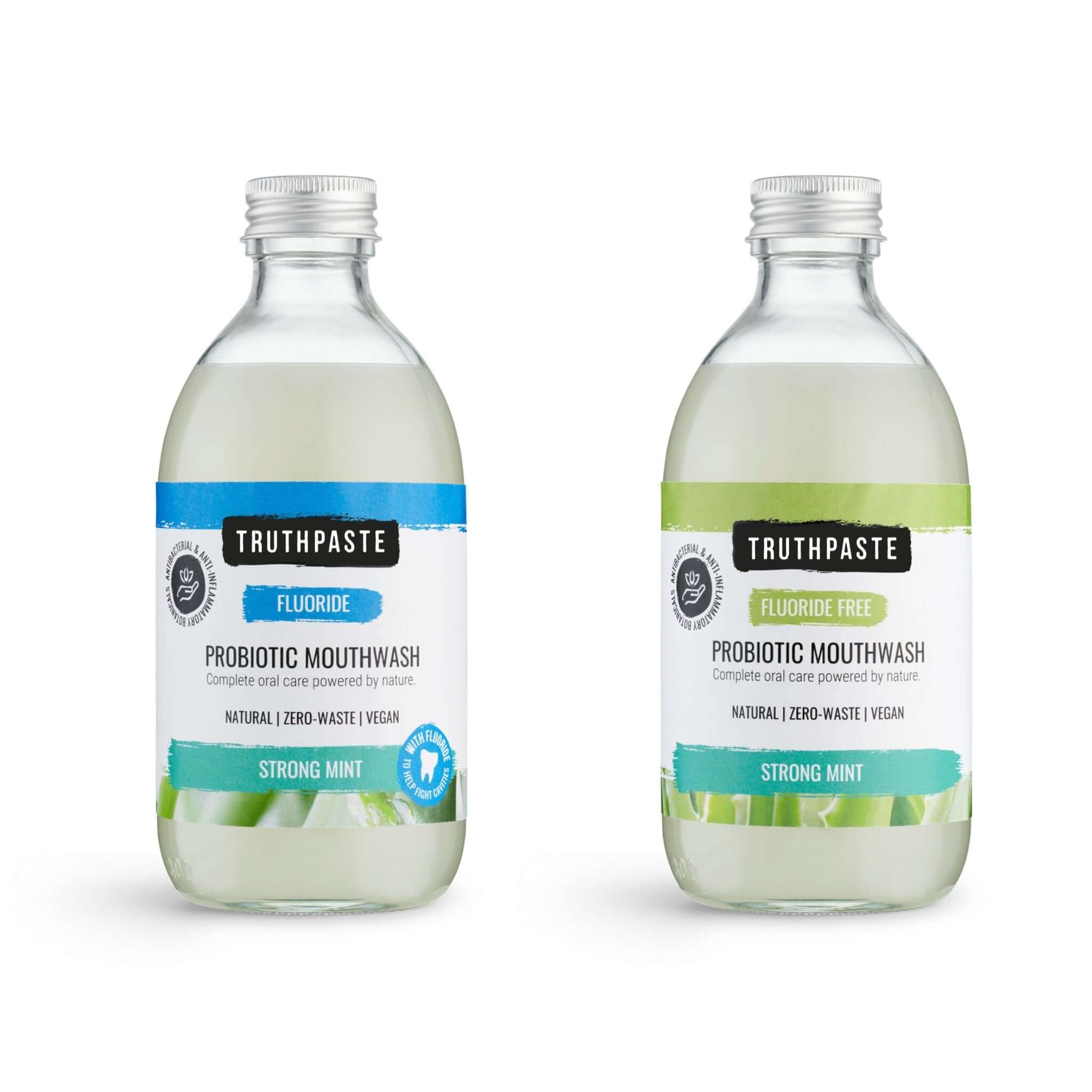
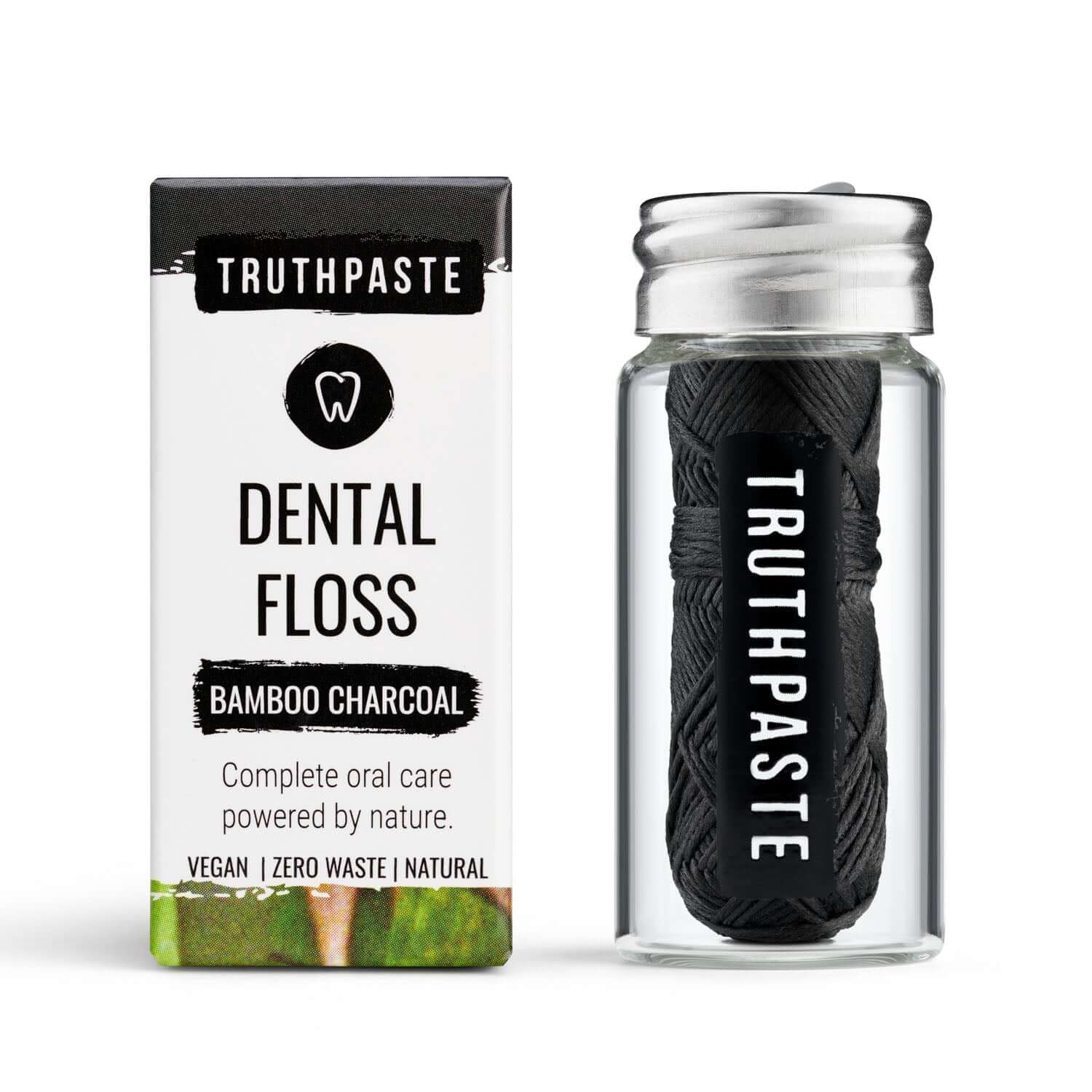
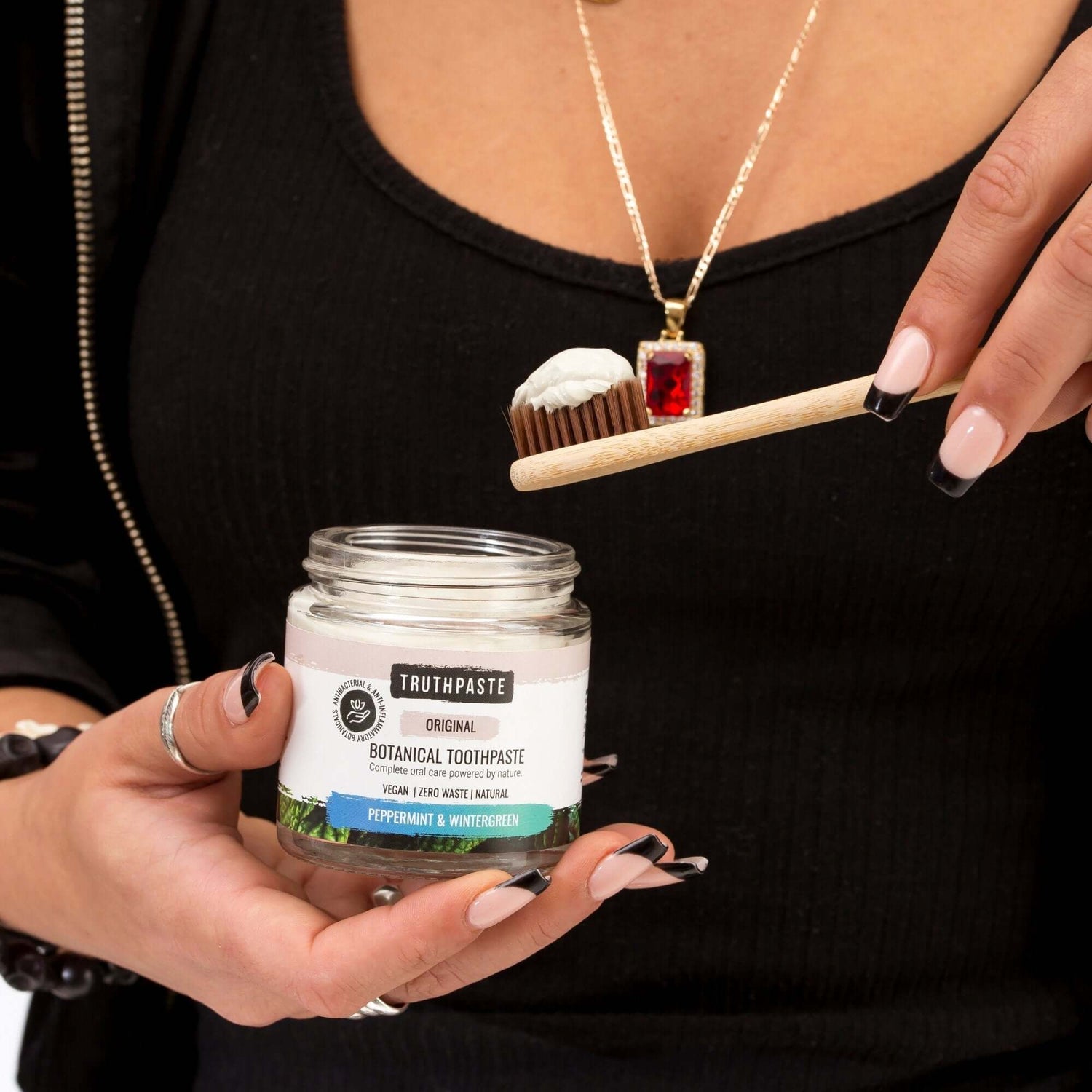
Inspired by a toothache
Up to 90% of adults in the UK have some form of gum disease.
This can range from mild inflammation to advanced periodontal disease.
Left untreated, it can affect your entire body. Gum disease is linked to Alzheimer's disease, cardiovascular diseases, diabetes complications and premature labour.
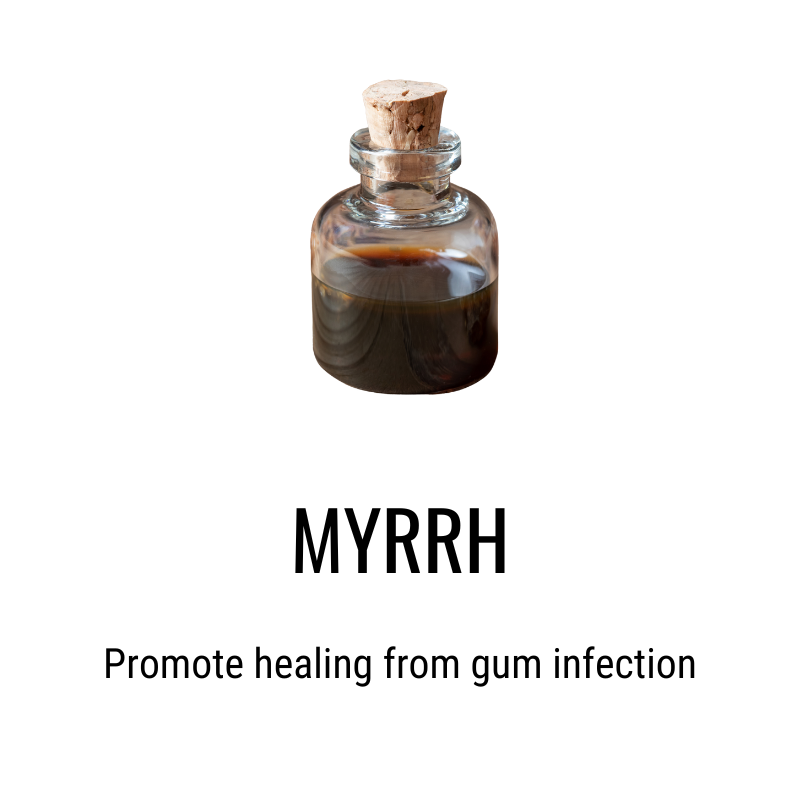
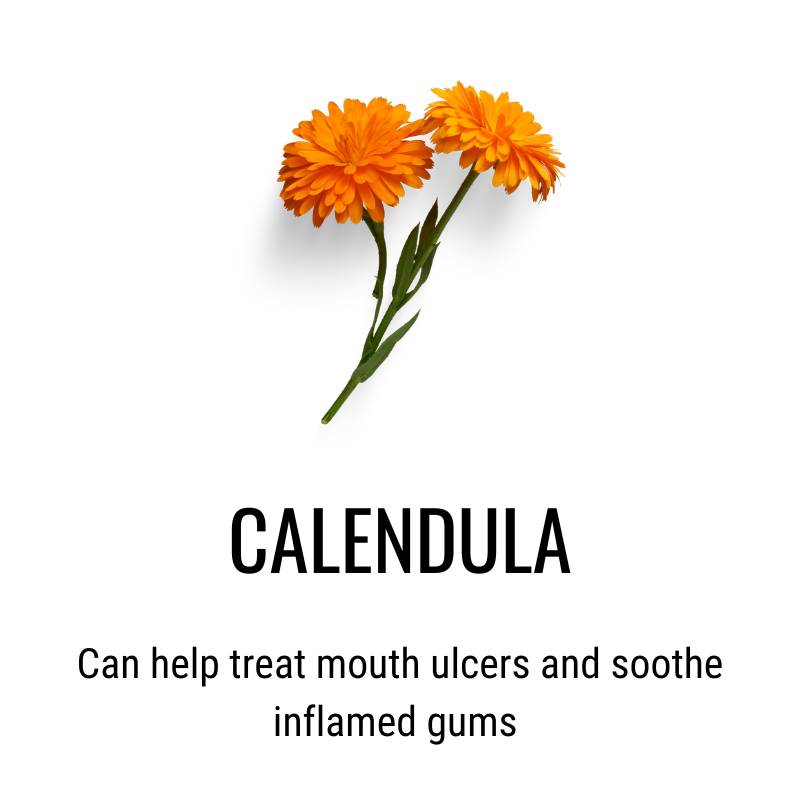
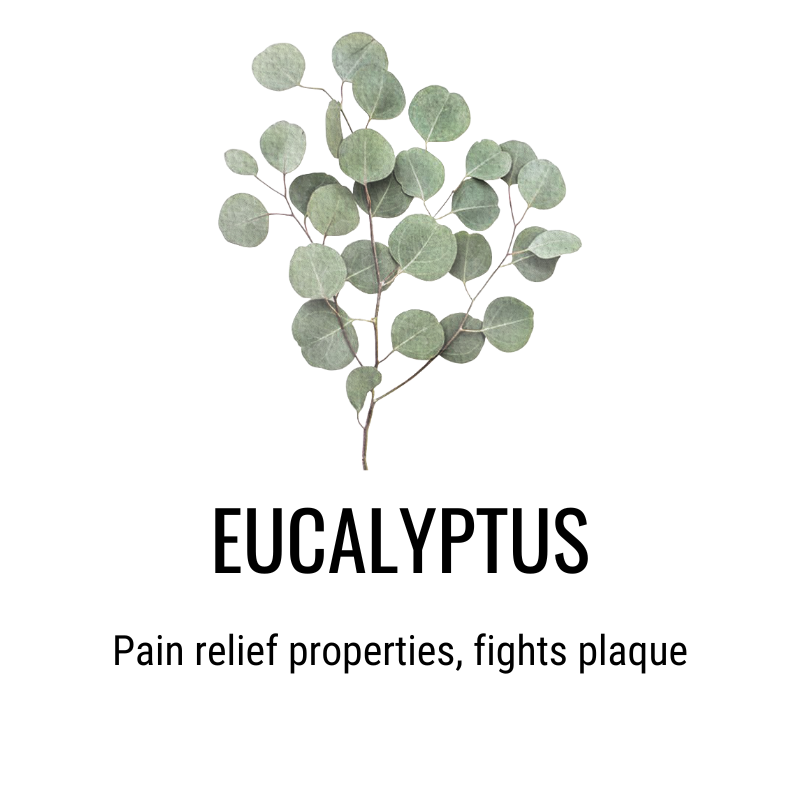
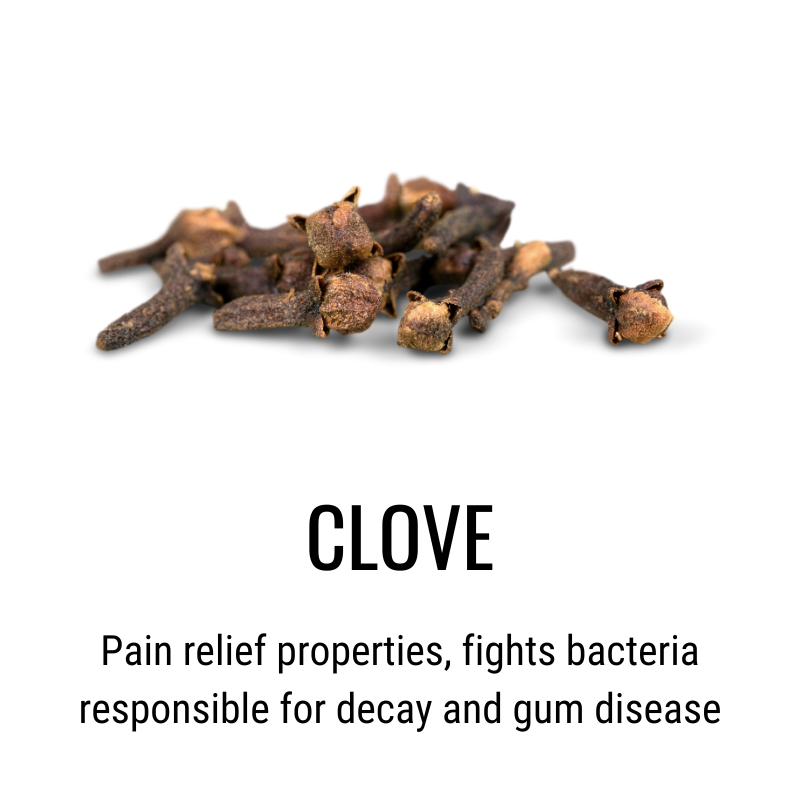
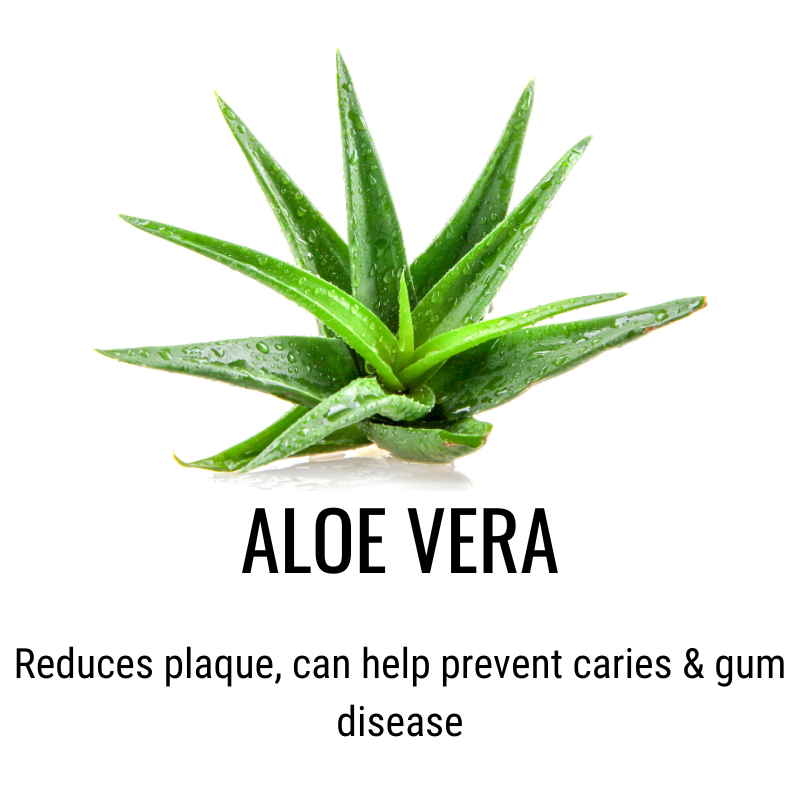
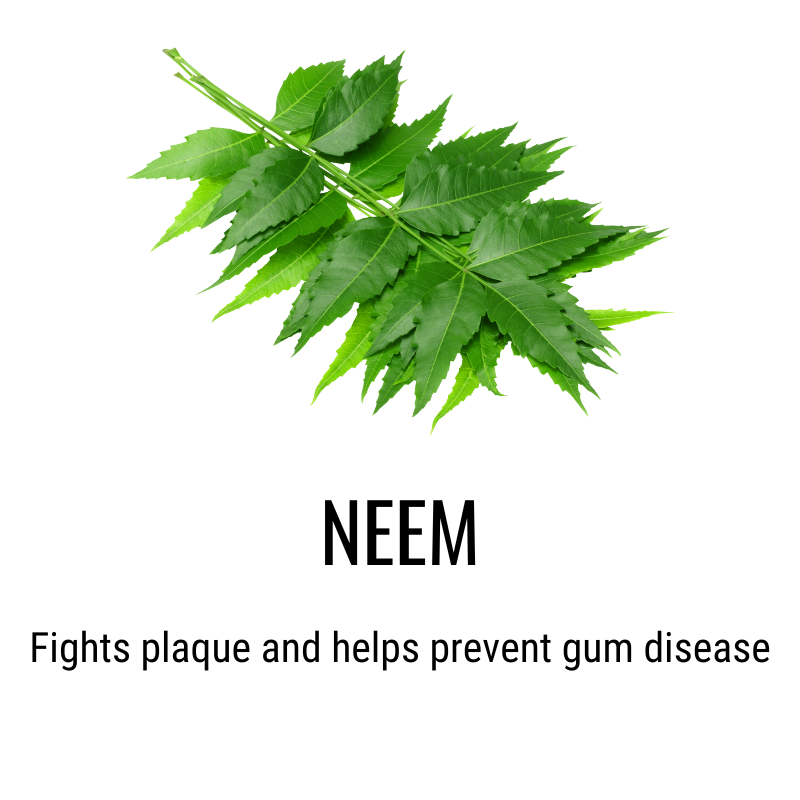
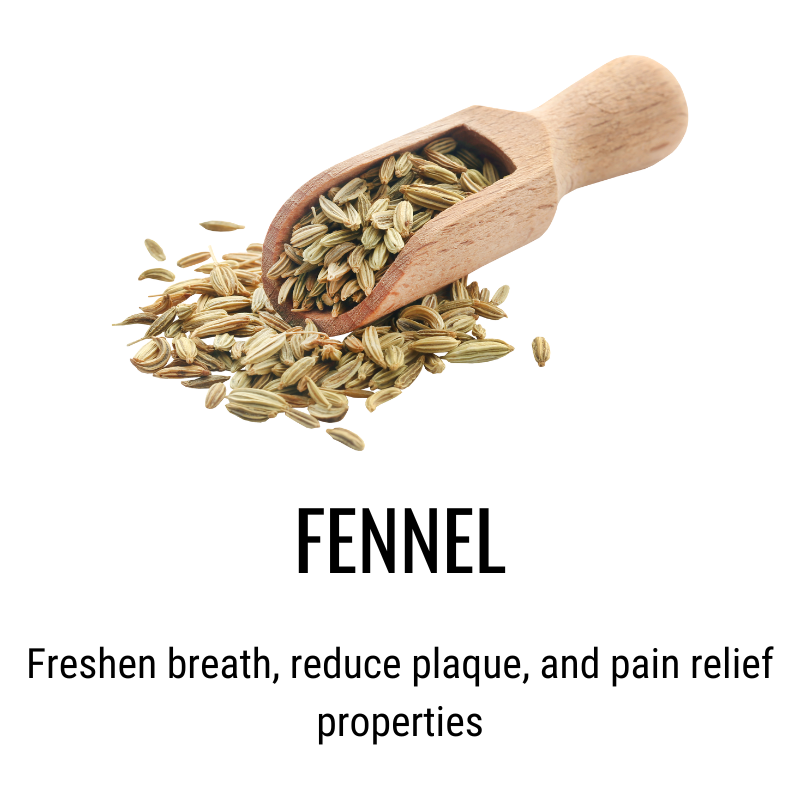
Care for your whole mouth, not just your teeth with our organic botanical oral care.
Latest News

Hydroxyapatite Toothpaste and the Pineal Gland: The Facts
We have seen questions online about hydroxyapatite toothpaste, pineal gland calcification, and whether particles from toothpaste can enter the bloodstream or brain.
They are fair questions to ask. There is a lot of information online, but not all of it reflects how the body works or what the evidence shows.
The simple answer is this: there is no evidence that hydroxyapatite toothpaste causes hydroxyapatite to build up in the pineal gland.

Nano Hydroxyapatite Toothpaste: Nano vs Micro Explained
Searching for nano hydroxyapatite toothpaste? There are two types of hydroxyapatite used in toothpaste, nano and micro. Here's how they differ, whether nano hydroxyapatite is safe, and how to choose the right one for your teeth.

Benefits of Citrus Toothpaste
Many oral care products use “aroma” or artificial flavour systems — proprietary blends designed primarily for taste and sensory impact.
We take a different approach.
At Truthpaste, our flavours aren't just flavours, they're functional.
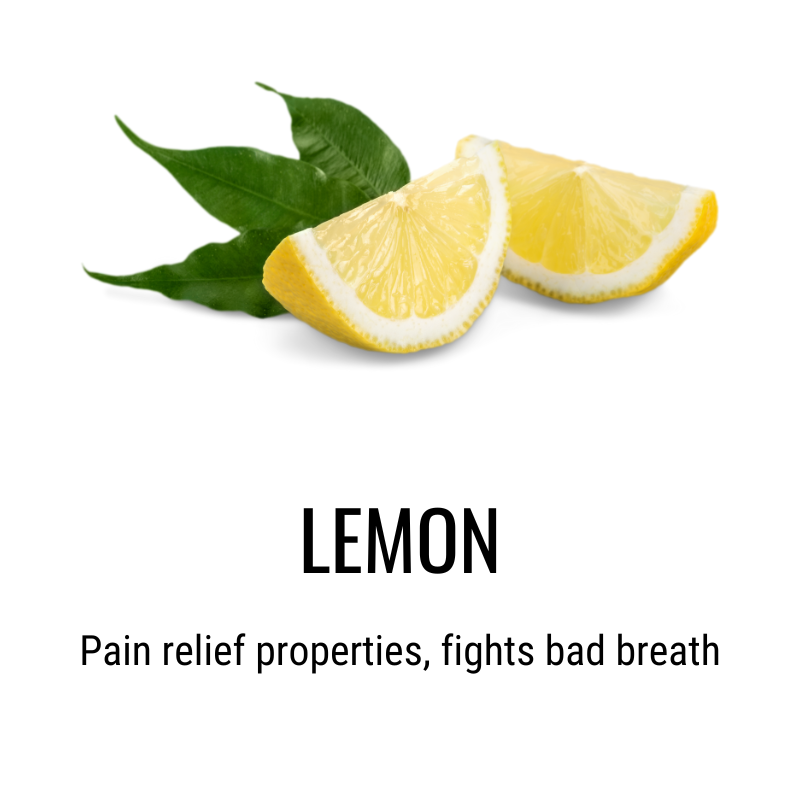
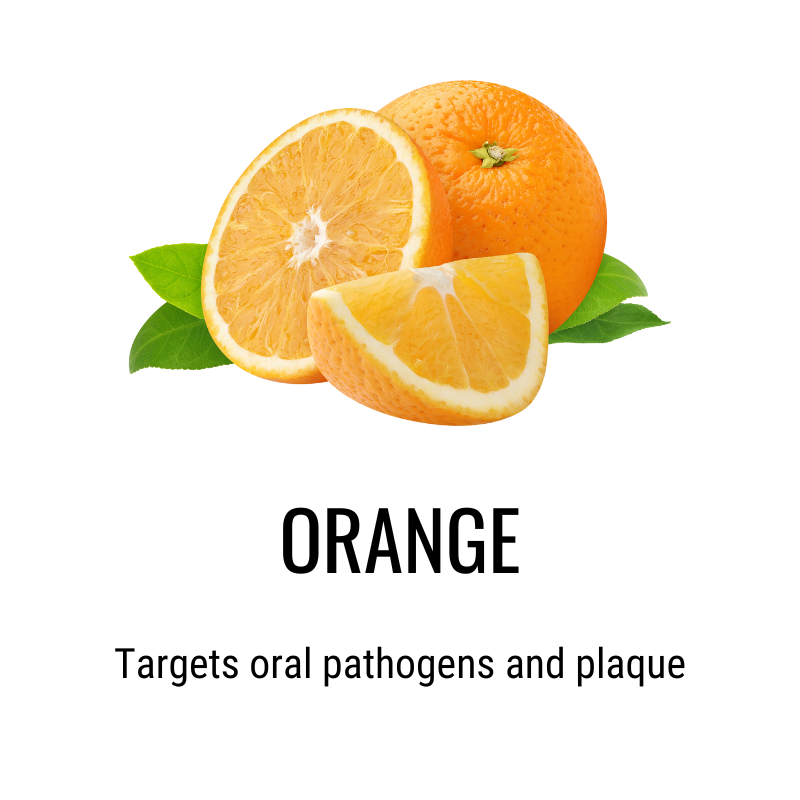
Our citrus flavour comes from sweet orange and lemon essential oils, selected not only for their clean, fresh profiles, but also for oral health benefits.
Because every ingredient in our formulas has to earn its place.
Let customers speak for us
Nice citrus taste , my teeth feel really clean. I would definitely recommend

As a person who has had problems for many years with my gums this product has been essential
My dentist has always pushed the main stream products on me but to no avail
Since using this I have seen a brilliant improvement and my dentist thinks it’s because of his product recommendations

Fast and efficient service,happy with the products so far,the taste feeling leaves is very pleasant.definetly recommend 👌

I love this stuff, I've been using it for the last six months.I had dreadful gum issues my hygienist was costing me a fortune but after using this for just three months everything turned around he couldn't believe the change and I am so happy with the results my gums and teeth look much better. I'm back to just once a year with my hygieneist now. saving me a fortune but enjoying my smile and healthy gums again.i would strongly recommend this product to everyone who listened. My daughter and stepdaughter are now using it too.

Was sceptical at first, but needn’t be, really great product. Took a few times to get used to the taste, but now, using it just like any other toothpaste. And love that it’s in a glass jar and not an annoying tube!

Truthpaste is the best I have found so far. Im trying all the flavours and types they have, but my favourite so far is the peppermint. Ive been trying to find the right toothpaste for years. And now I have found it! Thank you for making such a great product :)

Excellent product.

As others have mentioned the taste and texture can get some getting used to but your teeth feel incredibly clean afterwards

I won’t use anything else
Original: Peppermint & Wintergreen (100ml)
Fantastic product
Excellent products. Brought calm and comfort.

This is the second time I have bought this bundle, I bought it for a present for my friend as I was so impressed with mine,
She has been using it for a few weeks and said she loves the toothpaste and it has made a difference to her gums,
She said she wouldn’t go back to using other toothpaste now,
Thank you

This is the first time I had bought from you,
I’m so so happy with everything in the bundle,
I have already noticed a huge difference in my gums and teeth, no more bleeding and my gums feel so much better,
This will be the only toothpaste I buy now
Thank you
Enamel Repair Mask